

Abstracts from the Slovenian authors
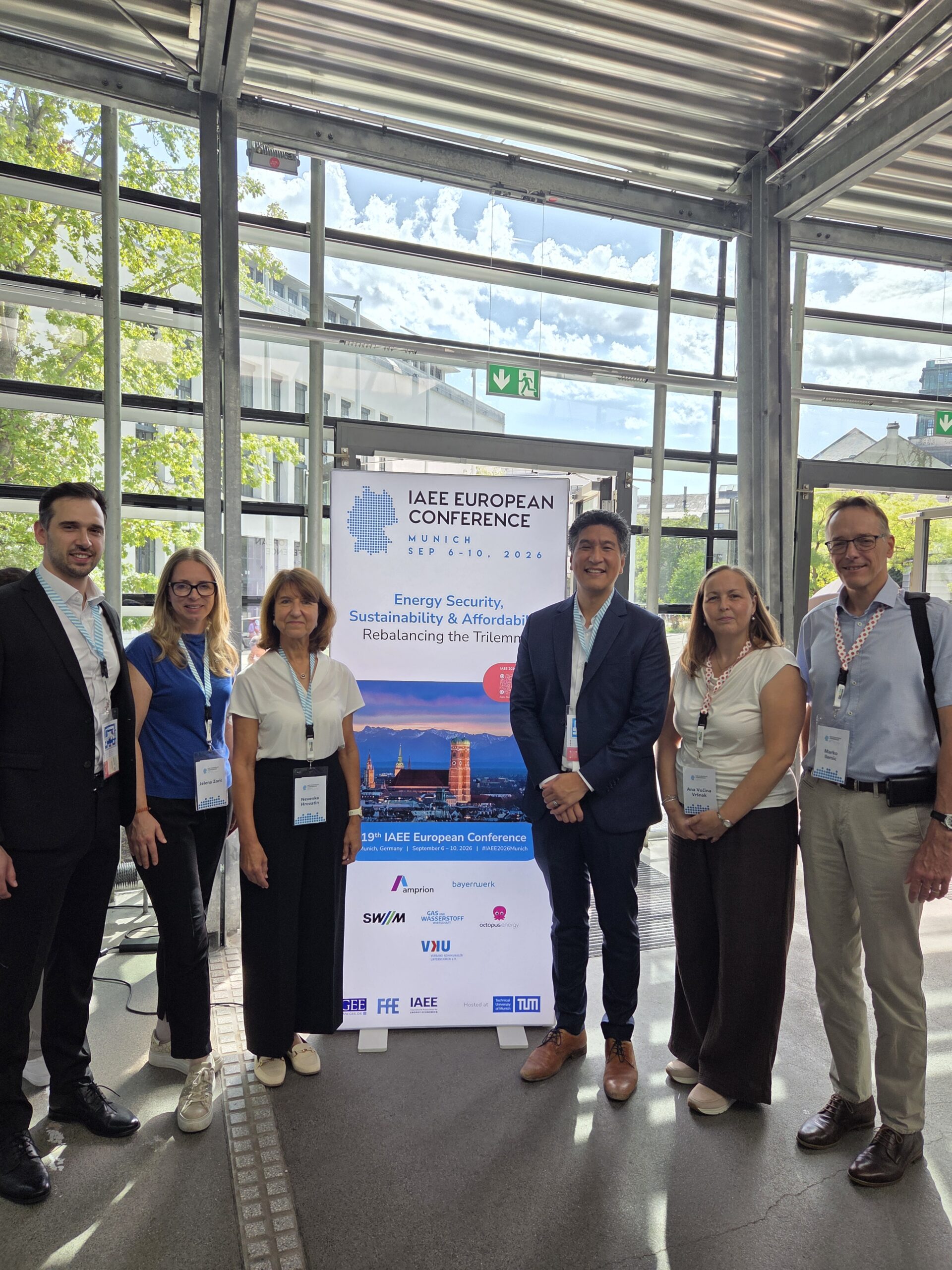
@IAEE European Conference in Munich, 6-10 September 2026
The authors Nives Dolšak (University of Washington), Nevenka Hrovatin, and Jelena Zorić (both from the University of Ljubljana, School of Economics and Business) presented a paper on Public preferences for nuclear versus hydro energy in Slovenia. The transition to a low-carbon society, rising energy costs, and the pursuit of energy security following the Ukraine war have renewed the debate about the future energy mix of EU member states. The study focuses on two alternative decarbonization strategies, namely investments in nuclear and hydropower. A preference analysis based on a representative sample of 1,000 respondents surveyed in March 2026 reveals that, when choosing between nuclear and hydropower, the preferred average share of nuclear energy in the energy mix is slightly above 50%. The regression analysis shows that support for nuclear energy is positively influenced by the importance respondents attach to reliability of supply, employment, and landscape preservation, whereas the importance attached to preventing harmful health impacts has a negative effect on support for nuclear energy. Proximity to hydropower plants is associated with greater support for nuclear energy, which is consistent with a local NIMBY (“not in my backyard”) effect. In addition, support for nuclear energy relative to hydropower is positively associated with trust in the Krško Nuclear Power Plant (NEK), the perceived safety of nuclear power plants, the belief that electricity bills will not increase, and a preference for economic growth over environmental protection. The findings indicate that a viable energy strategy must take into account both benefits to the national energy system and local distributional considerations. Nuclear energy enjoys greater support when institutions credibly ensure safety, reliability, and acceptable costs for households.
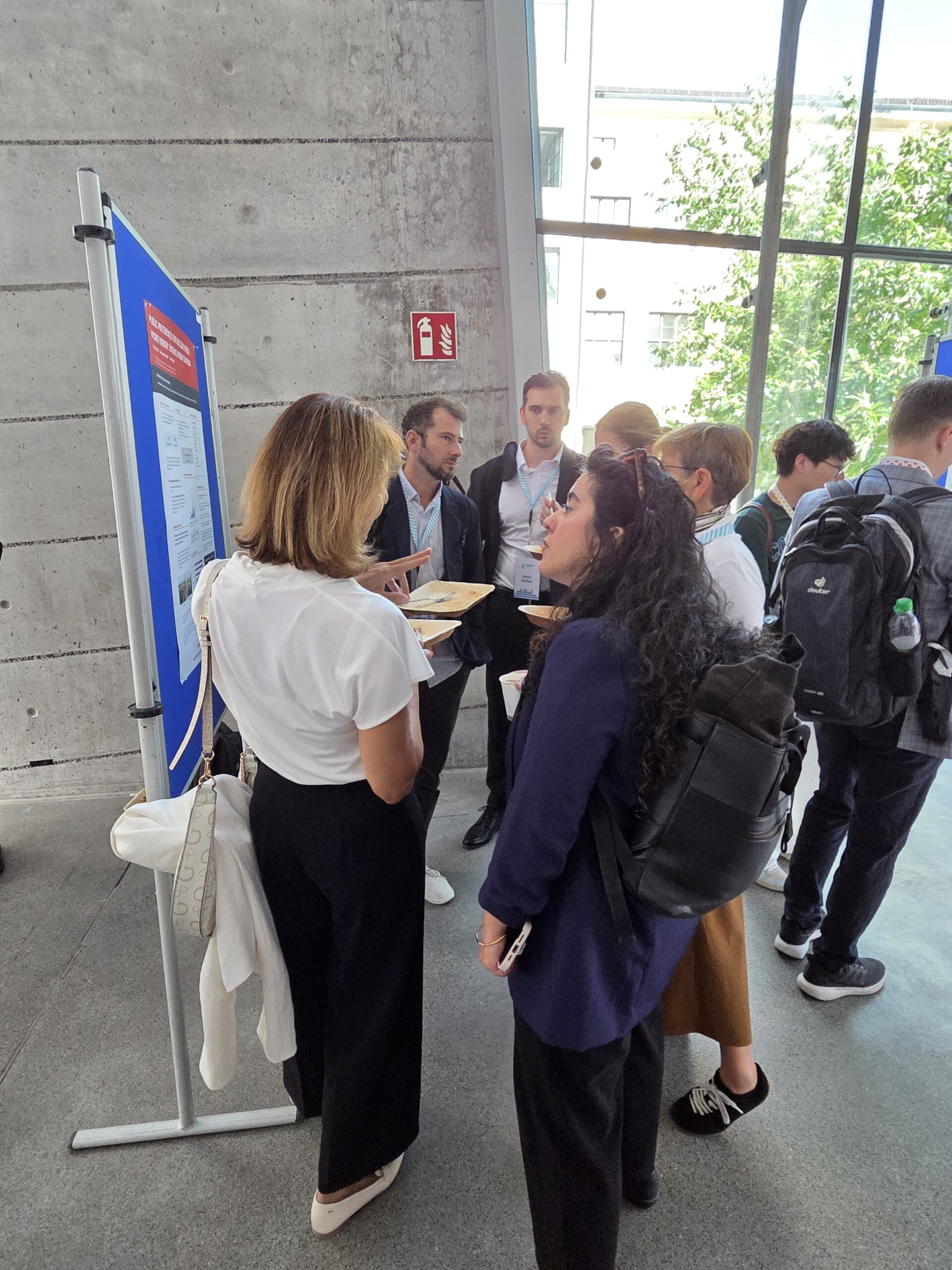
The authors Janez Dolšak, Nevenka Hrovatin, and Jelena Zorić (all from the University of Ljubljana, School of Economics and Business) also presented findings from a study on Energy poverty among Slovenian households. Based on microdata from the Statistical Office of the Republic of Slovenia (SURS) from the 2019 Household Energy Consumption Survey, the study estimates, using different energy poverty indicators, that the share of energy-poor in Slovenia ranges between 10.5% (according to the LIHC indicator – Low Income, High Costs) and 19.4% of households (according to the 10% rule, which defines energy poverty as energy costs exceeding 10% of a household’s disposable income). Among the most important factors affecting energy poverty are low income, high energy prices, dwelling size, the type of heating system, and household size and composition. The results of the analysis show that the assessment of energy poverty should not be based solely on household income; rather, a broader range of factors needs to be considered to provide a comprehensive picture. These findings underscore the need to tailor policies aimed at mitigating energy poverty to specifically address vulnerable groups. Neglecting to do so risks exacerbating existing disparities in energy access and possibly creating new forms of energy injustice.
IAEE European Conference: Energy Security, Sustainability & Affordability – Rebalancing the Trilemma
6. – 10. september 2026, München, Nemčija